| 27. 05. 2027 19:00 p.m. |
| 90 minut |
| Vesmír, Ostrava |
| from 480 CZK |
B4 Closing Concert
CHANGE OF PROGRAMME
An exceptional season finale featuring Magdalena Kožená in the leading role. Janáček’s dramatic Jealousy, Berg’s captivating lyricism, and Mahler’s radiant Symphony No. 4 will create an evening full of emotion, colour, and powerful musical stories. A concert that brings the season to a close in grand style.
PROGRAMME
Leoš JanáčekThe Diary of One Who Disappeared
Leoš Janáček
Jealousy, the original prelude to the opera Jenůfa
Alban Berg
Seven Early Songs
/interval/
Karol SzymanowskiSymphony No. 1 in F Minor, Op. 15
Gustav Mahler
Symphony No. 4 in G major
PERFORMERS
Magdalena Kožená – mezzo-soprano
tenor TBC
Janáček Philharmonic Ostrava
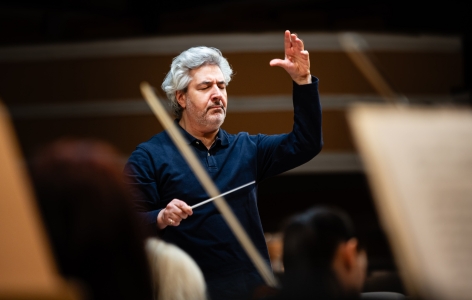
Daniel Raiskin – Chief Conductor of JPO
The closing concert of the season is part of the Leoš Janáček International Music Festival.
Leoš Janáček’s Jealousy was originally conceived as the prelude to his opera Jenůfa. The composer ultimately removed it from the opera, and the piece went on to establish an independent life in the concert hall. Even in this short orchestral work, Janáček’s distinctive ability to capture dramatic tension, intense emotion and vivid orchestral colour is already fully apparent.
The Seven Early Songs by the Austrian composer Alban Berg were written between 1905 and 1908 during his studies with Arnold Schoenberg. Although they stand on the threshold of Berg’s later radical turn towards atonality and twelve-tone composition, they are still firmly rooted in the late-Romantic German song tradition. The love poetry of German-language writers, combined with Berg’s music, creates the captivating and elusive atmosphere characteristic of the turn of the 20th century.
After the interval, the programme continues with Gustav Mahler’s Symphony No. 4 in G major. One of the most intimate and lyrical of Mahler’s symphonies, it was composed around the turn of the 20th century and contrasts in its apparent lightness with the monumentality of many of his other symphonic works. In the final movement, a solo soprano enters with the song Das himmlische Leben, portraying a childlike vision of heavenly life.

Made by