| 15. 10. 2026 19:00 p.m. |
| 90 minut |
| Vesmír, Ostrava |
| from 480 CZK |
B1 Brahms: Symphony No. 3
Johannes Brahms
Hungarian Dances Nos. 1, 3 and 10
Béla Bartók
Piano Concerto No. 1, BB 91
Johannes Brahms
Symphony No. 3 in F major, Op. 90
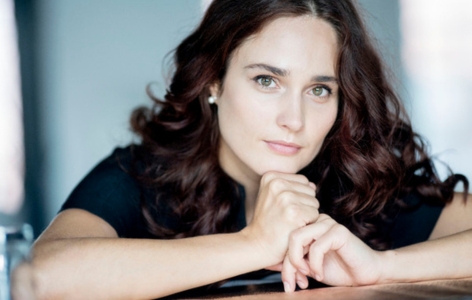
Anna Vinnitskaya – piano
Janáček Philharmonic Ostrava
Daniel Raiskin – Chief Conductor of JFO
The lively rhythms and catchy melodies of the Hungarian Dances (1869 and 1880) brought Johannes Brahms worldwide fame. In these works, Brahms drew inspiration not only from Hungarian folk music but also from the music of itinerant Roma bands. The work’s immense popularity led him in 1873 to orchestrate three selected dances from the first set.
Exactly one hundred years separate us from the time when Hungarian composer Béla Bartók’s Piano Concerto No. 1 was written. Bartók described 1926 as a turning point in his artistic career. His musical language absorbed influences from Baroque compositional techniques, the music of Igor Stravinsky, and the so-called “sound inventions” of Henry Cowell. The First Piano Concerto astonishes listeners with its harsh, raw sonority: the striking percussiveness of the solo part, tone clusters, nervous rhythms, and dissonant counterpoint.
In the musical world of the 19th century, Johannes Brahms was regarded as the antipode of the revolutionary and pioneer of music drama, Richard Wagner. Radical Wagnerians clashed fiercely with Brahms’s supporters. Thus, at the premiere of Brahms’s Third Symphony in Vienna in 1883, members of the Wagnerian audience expressed their displeasure by hissing loudly at the beginning of each movement. Nevertheless, the symphony was a success and soon found its way onto the concert stages of many European cities.

Made by